🌱 Food Systems 🌿 One Health ⚖️ Equity

Interdisciplinary Research for Climate-Exposed Communities

Where Food, Nutrition
& Health
Converge

We study how food safety governance, indigenous knowledge, and market systems shape nutrition outcomes in India's most vulnerable regions, and what it takes to build resilience from the ground up.

4Research Pillars
19Governance Themes
317Unique Codes
Samposhyam Foundation
NSS OR MLE IK

The NOMI Framework

A four-pillar analytic lens for understanding food system resilience through nutrition, resilience, equity, and indigenous knowledge.

🌾

NSS

Nutrition as a Socioecological System

Ecological, agricultural, and environmental determinants of nutritional adequacy, including soil salinity impacts, crop loss, and seasonal dietary variation.

🌊

OR

Observational Resilience

Community-level adaptive capacities, coping strategies, livelihood diversification, and social networks for navigating food system shocks.

MLE

Multi-Lens Equity

Structural inequities in food access across gender, age, caste, and economic position, including differential vulnerability of marginalised groups.

📚

IK

Inclusive Knowledge

Traditional ecological knowledge, intergenerational food practices, indigenous preservation techniques, and the interface between institutional and community-held expertise.

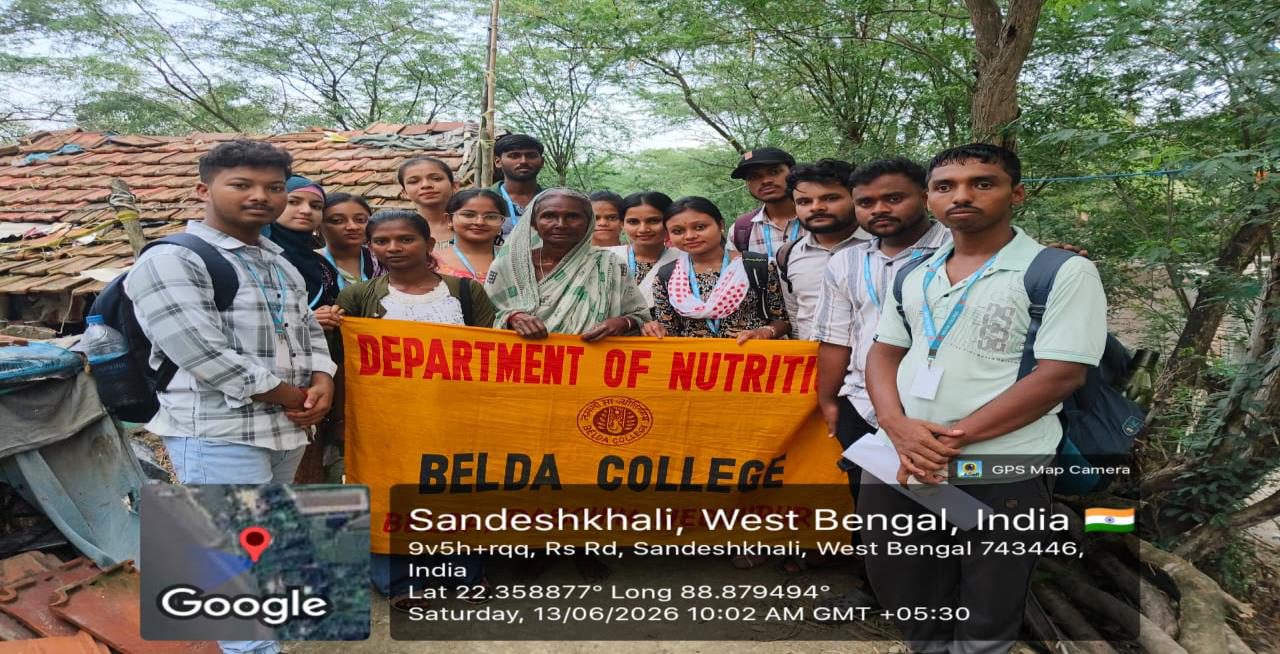
Built from fieldwork in the Indian Sundarbans

317
Qualitative Codes
across 4 pillars
473
Relationships
45% cross-pillar
19
Themes
Q = 0.770
4,533
Evidence Records
CQT validated

7-Step Application Workflow

Apply NOMI as an analytic template in any climate-exposed food system context.

1

Select Study Context

Identify climate-exposed food system (delta, coastal, island, dryland)

2

NOMI-Guided Data Collection

Design interview guide using 4-pillar lens across NSS, OR, MLE, IK domains

3

Apply Four-Pillar Coding Framework

Code transcripts using NOMI pillars as deductive frame; allow inductive emergence

4

Map Cross-Pillar Relationships

Identify directional relationships between codes using 6 relationship types

5

Computational Community Detection

Run Louvain/Leiden on code network to discover thematic communities

6

CQT Literature Validation

Systematic literature triangulation for evidence convergence scoring

7

One Health Policy Translation

Map findings to human, animal, and environment domains for actionable recommendations

NOMI Framework Toolkit

A standalone CLI tool that operationalizes the NOMI framework for researchers. Install, initialize, analyze, export.

  • Import codebooks from ATLAS.ti, NVivo, MAXQDA, Dedoose
  • Customizable N-pillar framework (4 NOMI defaults + your own)
  • Louvain + Leiden consensus community detection
  • CQT literature search via PubMed + Consensus API
  • AMRP diagnostic comparison against Sundarbans benchmark
  • Publication-ready figures and interactive HTML reports
  • Interactive web dashboard hosted on HuggingFace Spaces
$ pip install nomi-apply
Successfully installed nomi-apply-0.1.0

$ nomi-apply init "mekong-study"
Project created: mekong-study/

$ nomi-apply import-codebook codes.qdpx
Imported 245 codes

$ nomi-apply detect-communities
Detected 14 communities (Q=0.712)

$ nomi-apply amrp-diagnose
AMRP Score: 0.78 vs Sundarbans

$ nomi-apply dashboard
Dashboard live at hf.space/nomi-dashboard

Research Tools & Resources

We curate and build open-source tools across six research domains, powering reproducible food systems research.

NOMI Qualitative Pipeline

Coding, community detection, CQT validation, and network visualization for qualitative food systems analysis.

9 tools QualCoder Graphology

Food Safety Intelligence

Scraping government portals (FSSAI, RASFF), NLP for regulatory text mining, and contaminant surveillance dashboards.

16 repos spaCy MedCAT

Bengali WDI Nutrition

Recipe extraction, ingredient matching across BFCT/IFCT/USDA, nutrient computation, and Water Dilution Index scoring.

21 repos OpenFoodFacts FoodOn

India Data Infrastructure

NSSO/NFHS parsers, Census shapefiles, district boundaries, nightlights, and data.gov.in API connectors.

16 repos GeoPandas GADM

Academic Writing & Literature

Citation management, PRISMA diagrams, manuscript CI/CD, and AI-assisted systematic review tools.

12 repos Zotero Quarto

Dashboards & Visualization

Streamlit components, network graph renderers, choropleth maps, and interactive data exploration widgets.

27 repos Plotly Sigma.js
259
Curated Repos
1.1M+
Combined Stars
45
Subcategories
6
Research Domains

Current Projects

Three interconnected research streams exploring food system resilience, safety governance, and environmental health across India.

NOMI: A Four-Pillar Framework for Food System Resilience in Climate-Exposed Communities

Qualitative framework developed from Sundarbans fieldwork. 317 codes, 19 themes, 473 cross-pillar relationships, CQT literature validation.

Food Safety Governance Dimensions in India

Multi-level analysis of FSSAI enforcement, regulatory capacity, and food control infrastructure from national policy to local implementation.

Heavy Metal Contaminant Surveillance in Food Supply Chains

Environmental monitoring of contaminant exposure pathways in food systems, integrating environmental science with public health governance.

Samposhyam Foundation

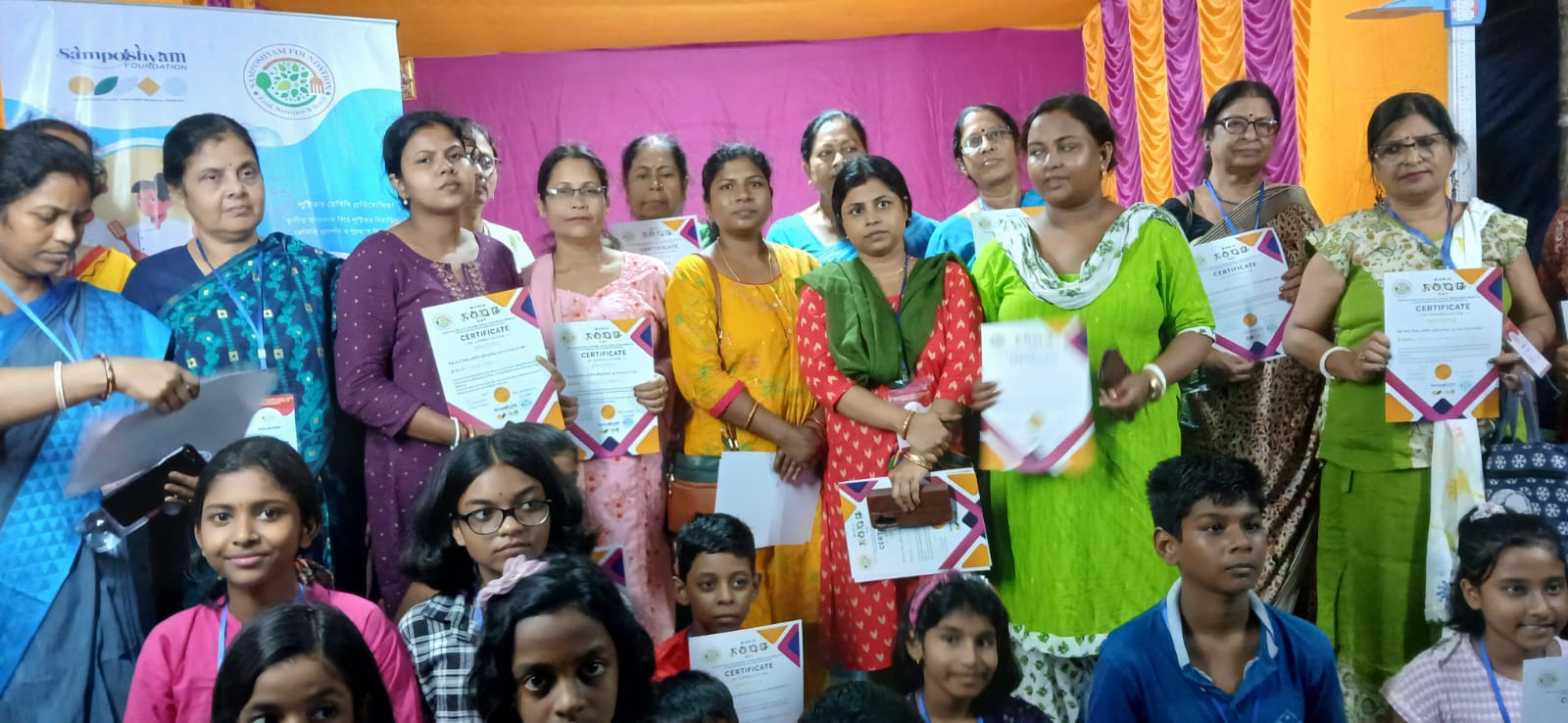
Based in Kolkata, the Samposhyam Foundation conducts interdisciplinary research at the intersection of food safety, nutrition, environmental health, and social equity.

Our work spans computational qualitative methods, field research in vulnerable communities, and open-source tool development for the global research community.

Samposhyam (Sanskrit: complete nourishment) reflects our mission to understand food systems holistically.

3
Active projects
11
Research databases
46
Python modules
🌿

Interdisciplinary by Design

Bridging qualitative field research with computational methods, traditional knowledge with modern science, and local communities with global policy.

One Health Food Safety Equity Inclusive Knowledge

Contact & Collaborate

Interested in applying the NOMI framework, collaborating on food systems research, or accessing our tools?